Aluminium Anodising
Protective & Decorative Anodising for Aluminium Profiles
Anodising provides a hard, durable, and corrosion-resistant finish that is integral to the aluminium itself, not just a surface coating. It is the ideal choice for visible components, exposed to the environment, or that require a consistent, high-quality appearance.
About
Quality
Materials
Finishes
Process
Portfolio
FAQs
About Our Aluminium Anodising Services
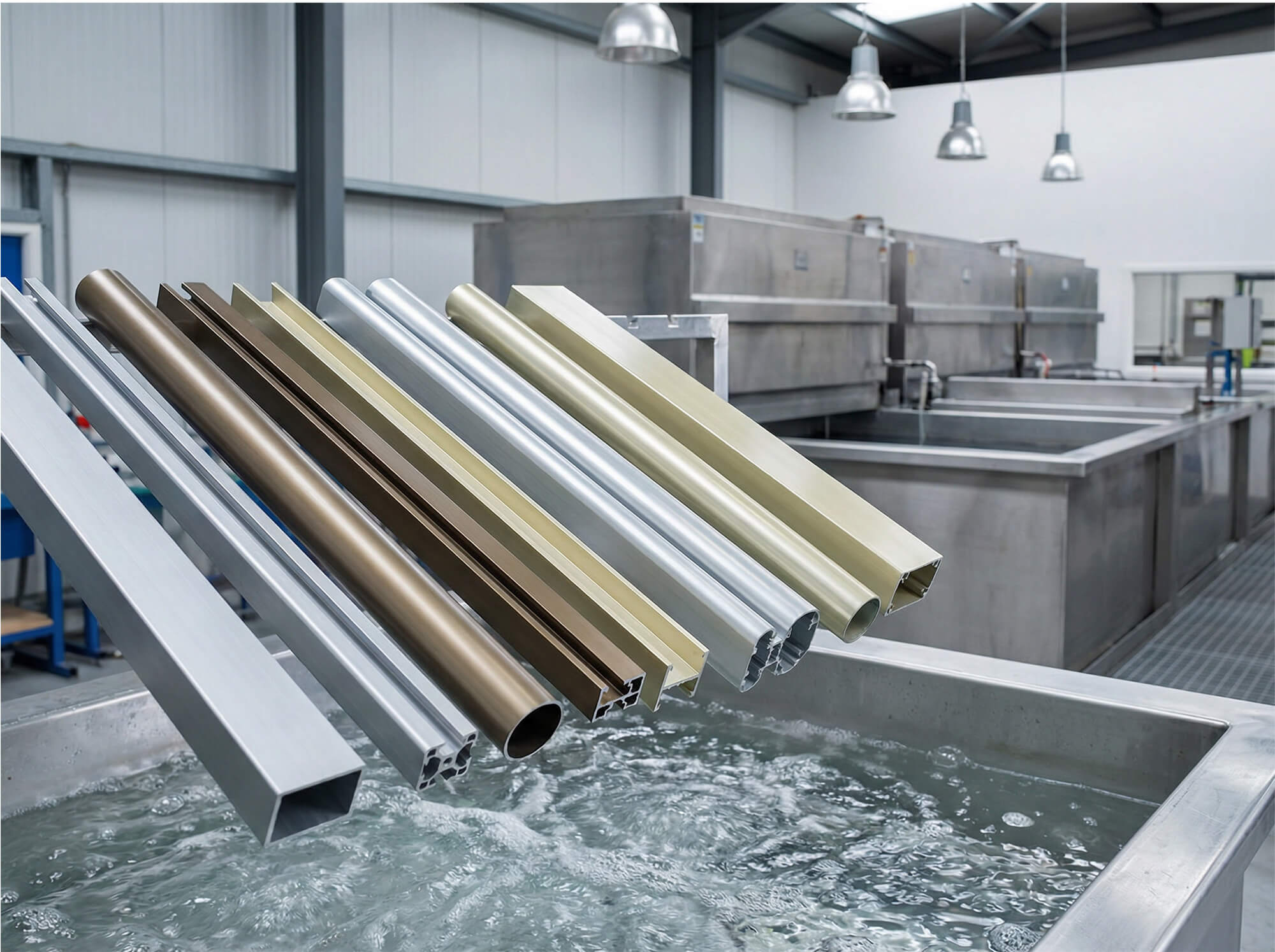
Anodising is an electrochemical process that converts the surface of the aluminium into a controlled aluminium oxide layer. Unlike paint or powder coating, this layer grows into the metal itself, making it exceptionally hard and durable. The layer is also porous, which means it can be dyed before being sealed, allowing a range of colours to be achieved.
The most common anodising finish is Natural Silver, which is the inherent colour of the aluminium oxide layer. Black is the next most popular, achieved by introducing a black dye into the porous layer before sealing. Other colours are available, though the range is more limited than with powder coating. It is important to note that white is not achievable with anodising, as white is not a colour that can be introduced into the anodic layer; for white components, powder coating is the correct choice.
We manage the anodising process through our close, long-standing relationship with a specialist anodiser, ensuring competitive pricing and consistent quality. We can specify the micron thickness of the anodic layer to suit your application, from a light decorative finish to a heavy-duty protective coating.
Why Choose AM Aluminium for Your Aluminium Anodising?
There are plenty of aluminium suppliers. What sets us apart is the combination of deep technical knowledge, a genuinely personal service, and the ability to manage the entire process under one roof. Here is what that means in practice.
Technical Expertise
With over 40 years of hands-on experience, we have the knowledge to guide you to the right solution, whether that is advising on the most extrudable design, selecting the correct alloy, or recommending the most appropriate finish.
ISO 9001:2015 Certified
Our quality management system ensures a consistent, reliable process. But our commitment to quality goes beyond certification, we are passionate about spotting issues early and getting it right first time.
Customer-Focused Service
We take the time to understand your project and your business. You will always speak to someone who knows your account, understands your requirements, and is genuinely invested in your success.
A Complete Solution
From the initial design review to the final delivery, we manage the entire process for you. You have one point of contact, one relationship, and one supplier responsible for the outcome.
Trusted Supplier Network
We have spent decades building relationships with the best extrusion mills, anodisers, and powder coaters in the UK and Europe, meaning you benefit not just from our own expertise, but from a carefully vetted supply chain.
Flexibility at Every Scale
We adapt to the needs of your project, hold stock and deliver in batches to suit your schedule, giving you the confidence that your components will be available when you need them, without the cost of holding large volumes yourself.
Aluminium Grades Available
The choice of alloy grade has a significant impact on the strength, surface finish, and machinability of your extrusion. The most common grades we work with are summarised below.
-
Aluminium 6063
The most common architectural alloy. Excellent surface finish, good strength, and guaranteed anodising quality. Available in T6 (fully hard) and T4 (bending quality) tempers.
Best for: Architectural profiles, decorative sections, general-purpose extrusions.
-
Aluminium 6005
A derivative of 6063 with higher strength, while still guaranteeing a good anodising finish.
Best for: Structural applications requiring a better surface finish than 6082.
-
Aluminium 6082
A high-strength structural alloy. Anodising is possible but the finish is not guaranteed to the same standard as 6063.
Best for: Heavy structural applications where strength is the priority.
-
Other aluminium grades
We can source a wide variety of other grades, including marine alloys (e.g., 5251) and free-machining bar for high-speed turning applications.
Best for: Specialist applications – we will always advise on the best grade for your project.
 Over 40 years of experience
Decades of hands-on expertise in aluminium extrusion, fabrication, and finishing.
 ISO 9001:2015 certified
Our quality management system ensures consistent, reliable results on every project.

Speak to our experts
Available Finishes for Aluminium
The finish you choose has a significant impact on the performance, appearance, and longevity of your profile. From the raw mill finish through to specialist decorative effects, we can advise on the most appropriate option for your application and manage the entire finishing process through our trusted network of specialist partners.

Mill Finish
The raw, as-extruded surface. The standard starting point for all profiles.
Anodising
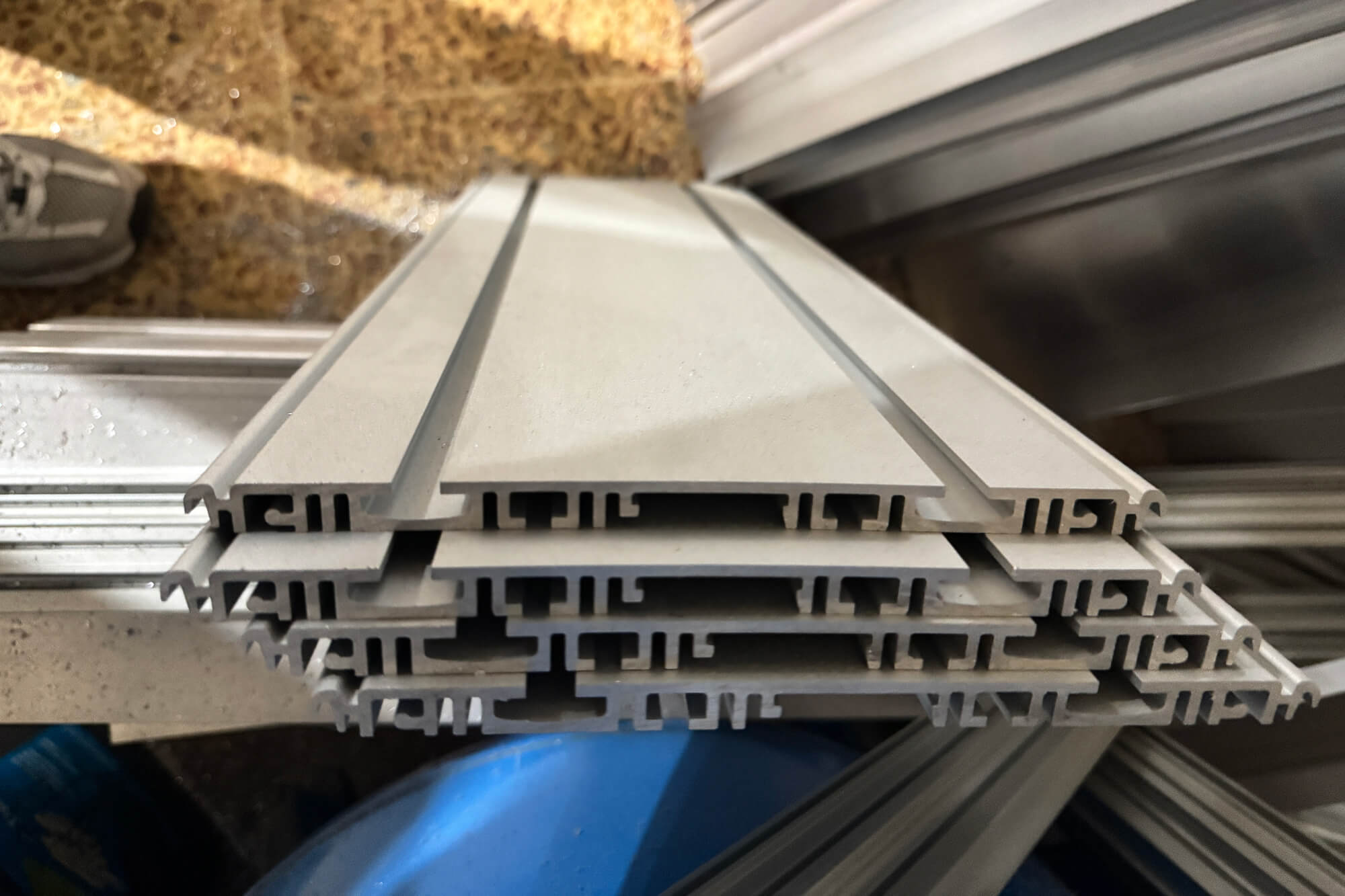
An electrochemical process that creates a hard, integral protective layer. Available in Natural Silver, Black, and other colours. White is not achievable with anodising.
Powder Coating
A durable, decorative paint finish applied electrostatically and cured under heat. Available in any RAL or British Standard colour.
Polishing
A mechanical process that creates a bright, reflective surface. Often followed by anodising to create a decorative gold or silver finish. Commonly used for shower enclosures and decorative trims.
Linishing / Brushed Finish
A mechanical process that creates a uniform, brushed directional texture.
Lacquering
A hard, clear protective coat applied over the aluminium surface.
Aqua Blast / Sand Blast
A blasting process that creates a uniform, matt texture, removing die lines and minor surface imperfections.
Wood Grain
A specialist finish that simulates the appearance of wood, applied as a powder coat or a wrap.
AM Aluminium's Process
Every project we handle follows a clear, structured process, from the initial drawing review through to finishing and delivery. Here is what to expect when you work with us.
Step 1 - CAD Design & Consultancy
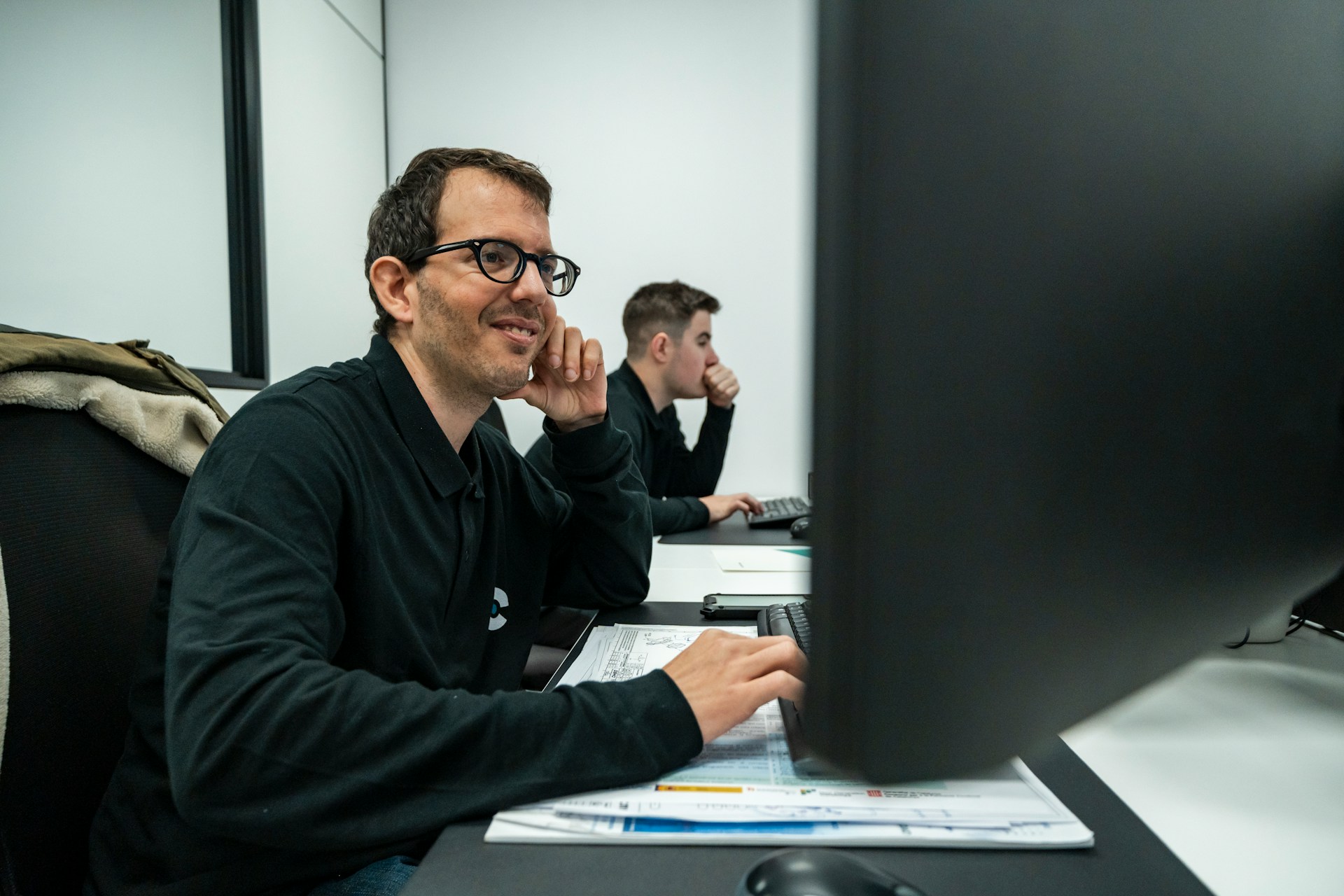
We review your drawing — ideally a 2D DXF or DWG file — and assess it for extrudability. We will advise on any modifications needed to ensure the profile can be successfully extruded and to minimise the cost of the die.
This step is critical: a well-designed profile reduces die costs, speeds up production, and avoids costly problems further down the line.
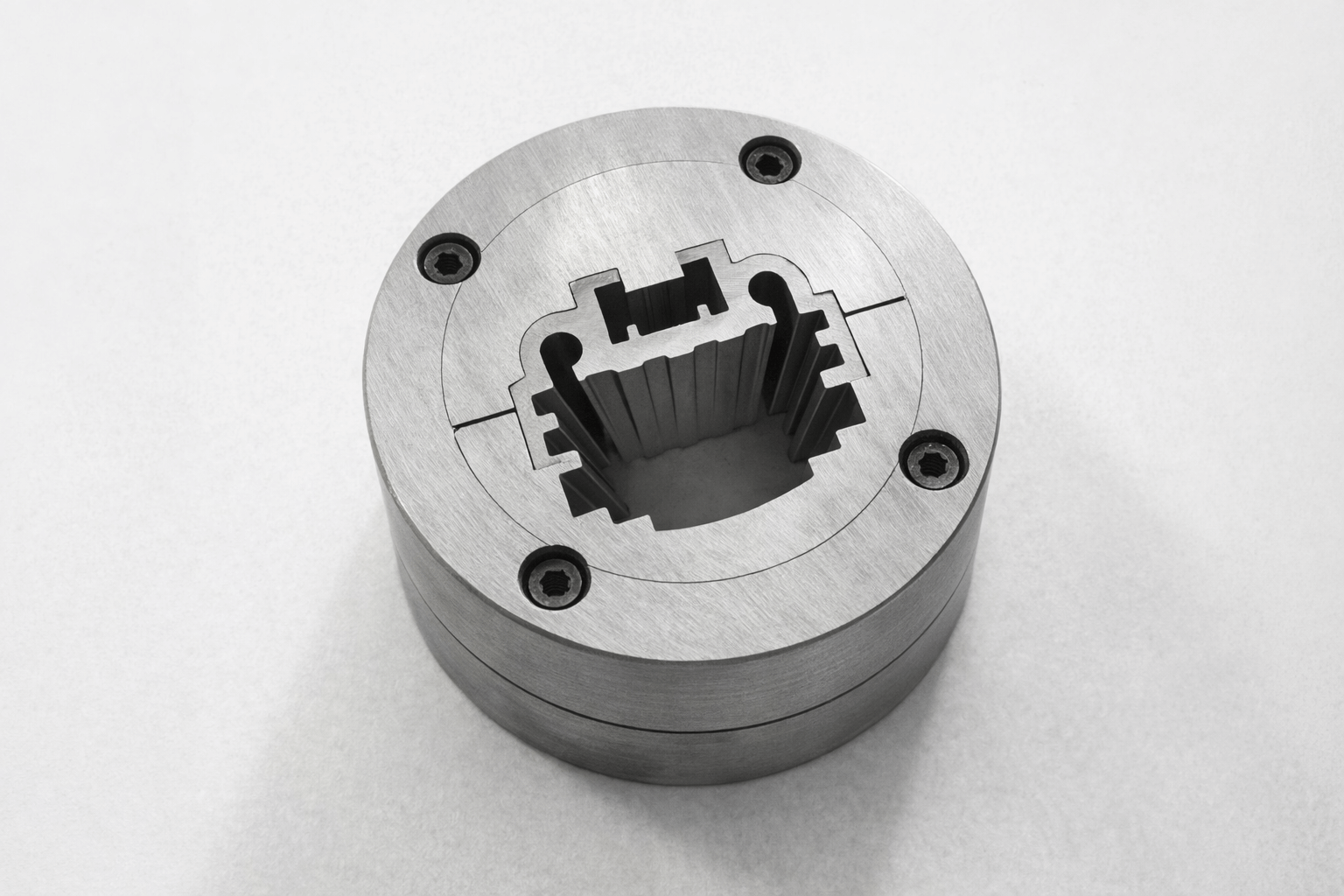
Step 2 - Die Development
Once the design is approved, the extrusion die is manufactured by our trusted mill partners. The die is guaranteed for life — as long as you continue to use it, any replacement is covered at no cost to you. Before full production begins, a sample is produced for approval.
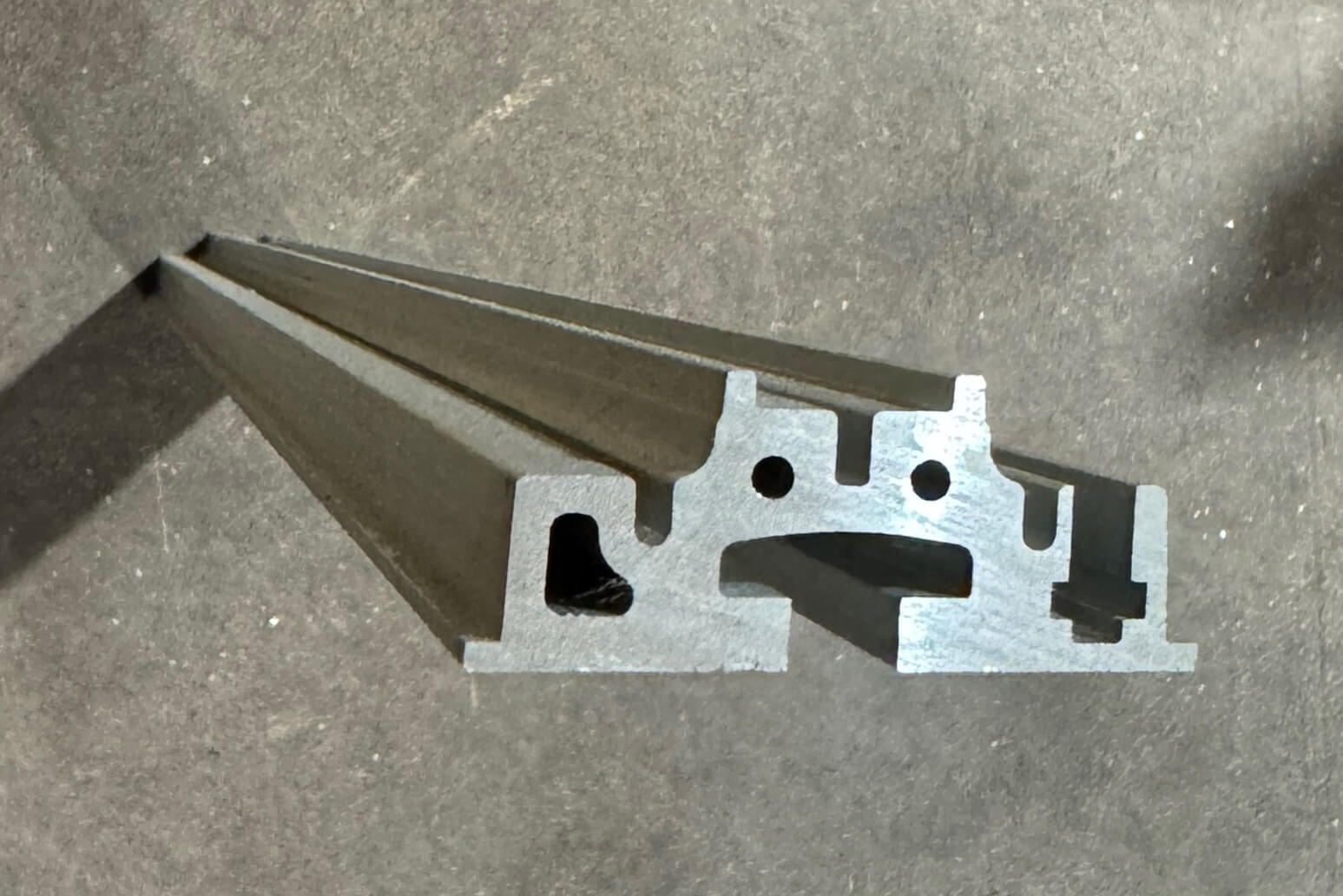
Step 3 - Extrusion
The approved profile is extruded at the mill. We work with a carefully selected network of UK and European extrusion mills to ensure the best quality and lead times for your project.
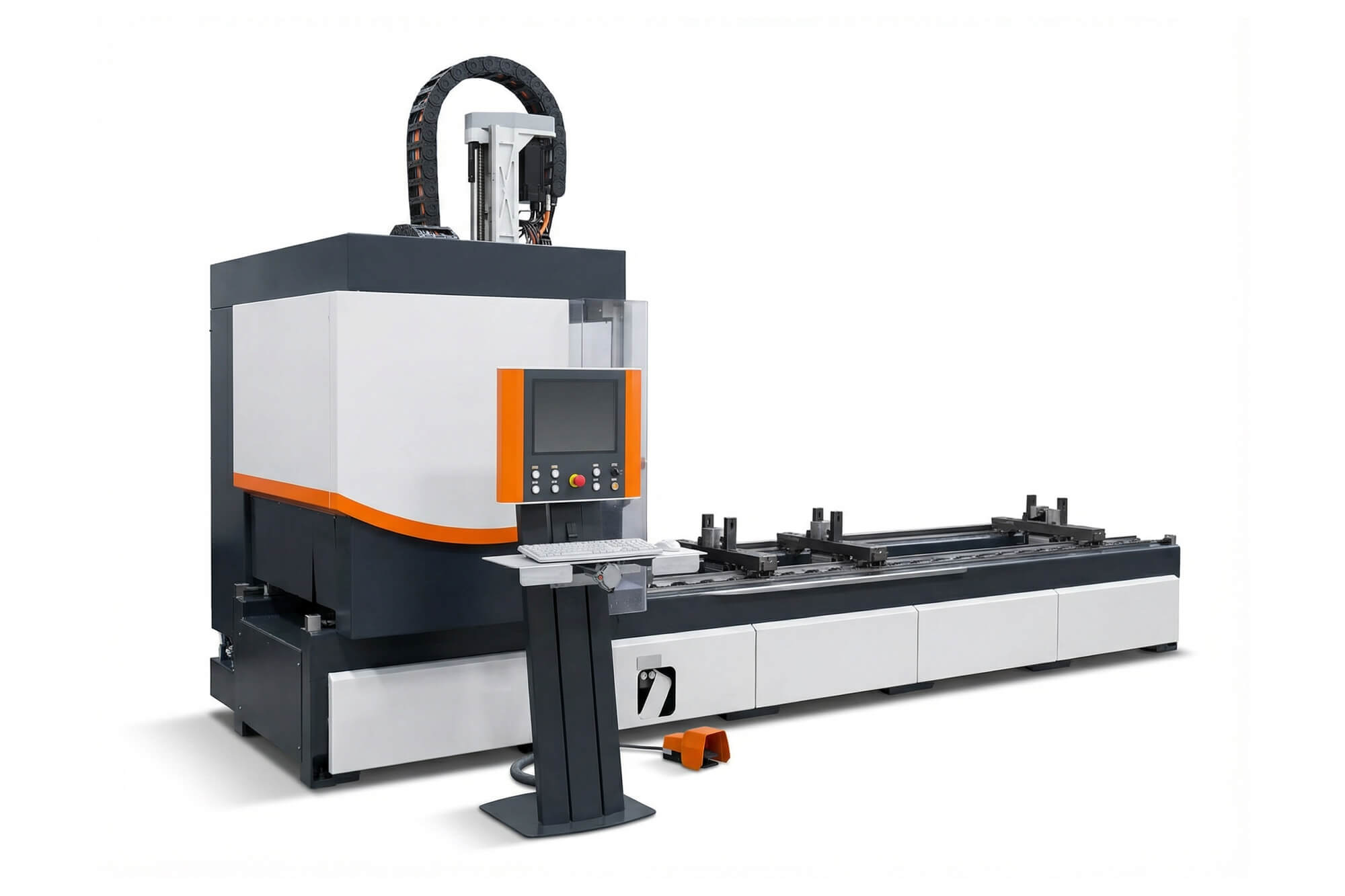
Step 4 - Fabrication & Machining
If your profile requires further processing — cutting to length, drilling, milling, tapping, or more complex machining — we handle this inhouse using our Elumatec SBZ 140 and Haas Super Mini Mill. For specialist processes such as CNC lathing or welding, we work with our trusted subcontractors.
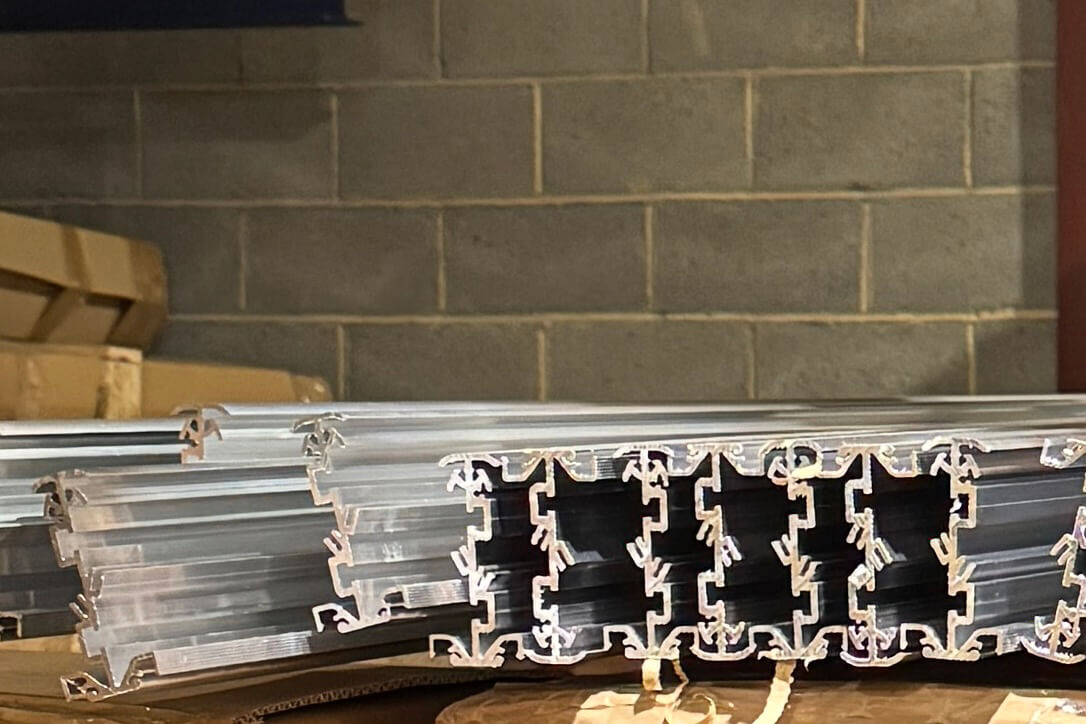
Portfolio
Discover our latest portfolio work below.
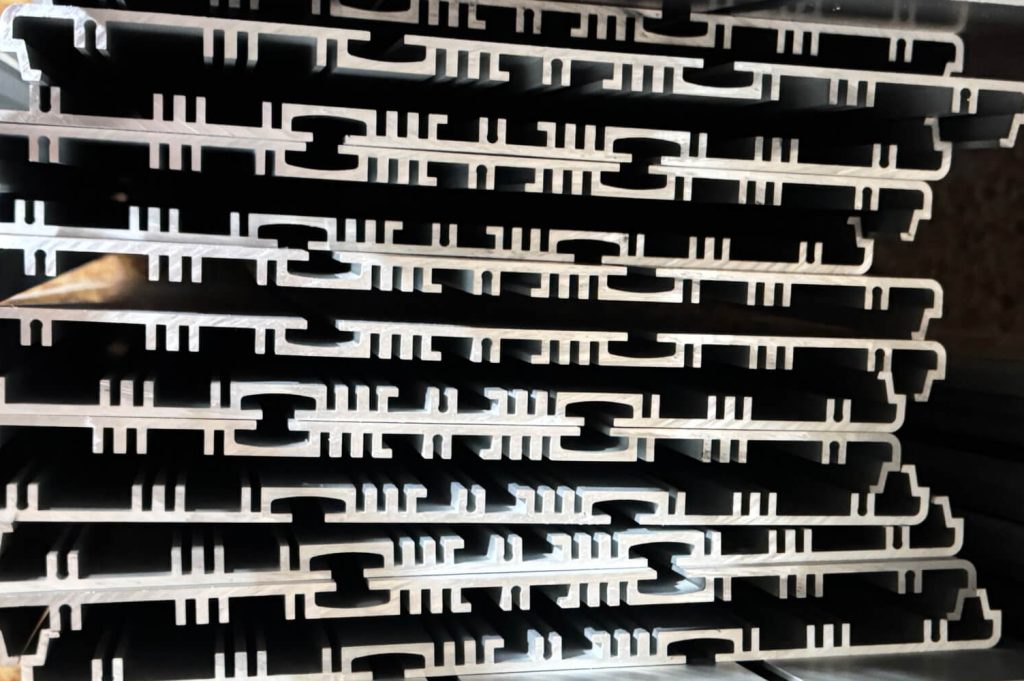
Precision Aluminium Light Bars for Global Emergency Vehicle Systems
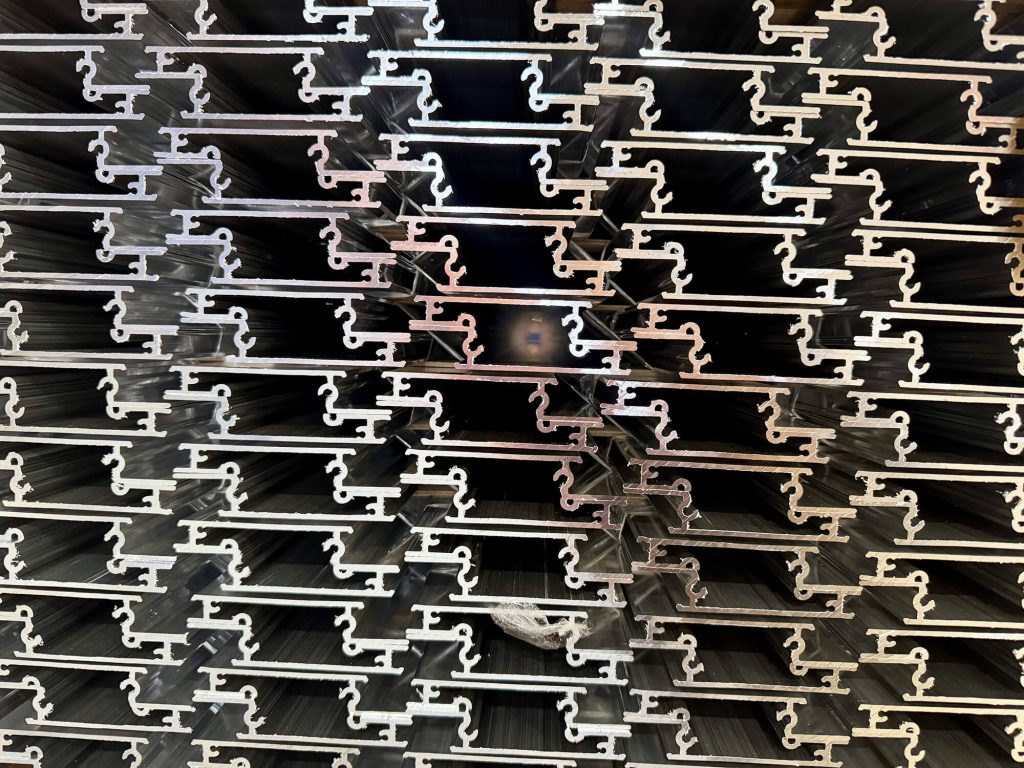
Long-Standing Supply Partnership in Ventilation & Air Management
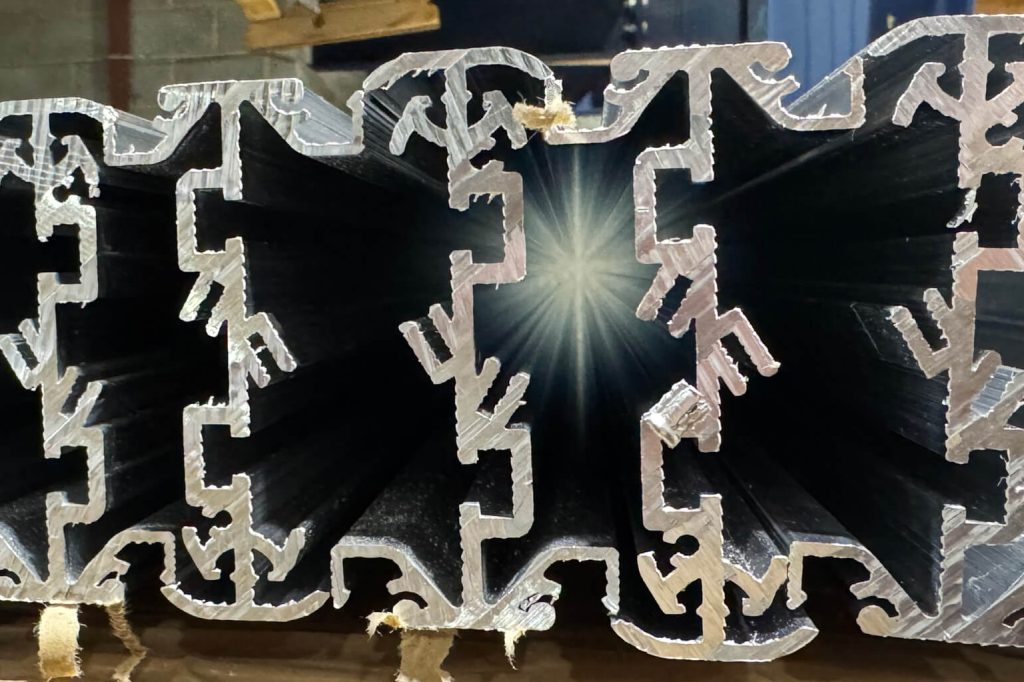
Aluminium Components for Specialist Healthcare Environments
Industries We Work With
We work with manufacturers, designers, and engineers across a wide range of sectors, bringing over 40 years of experience and an ISO 9001:2015 certified quality process to every project, whatever the application.
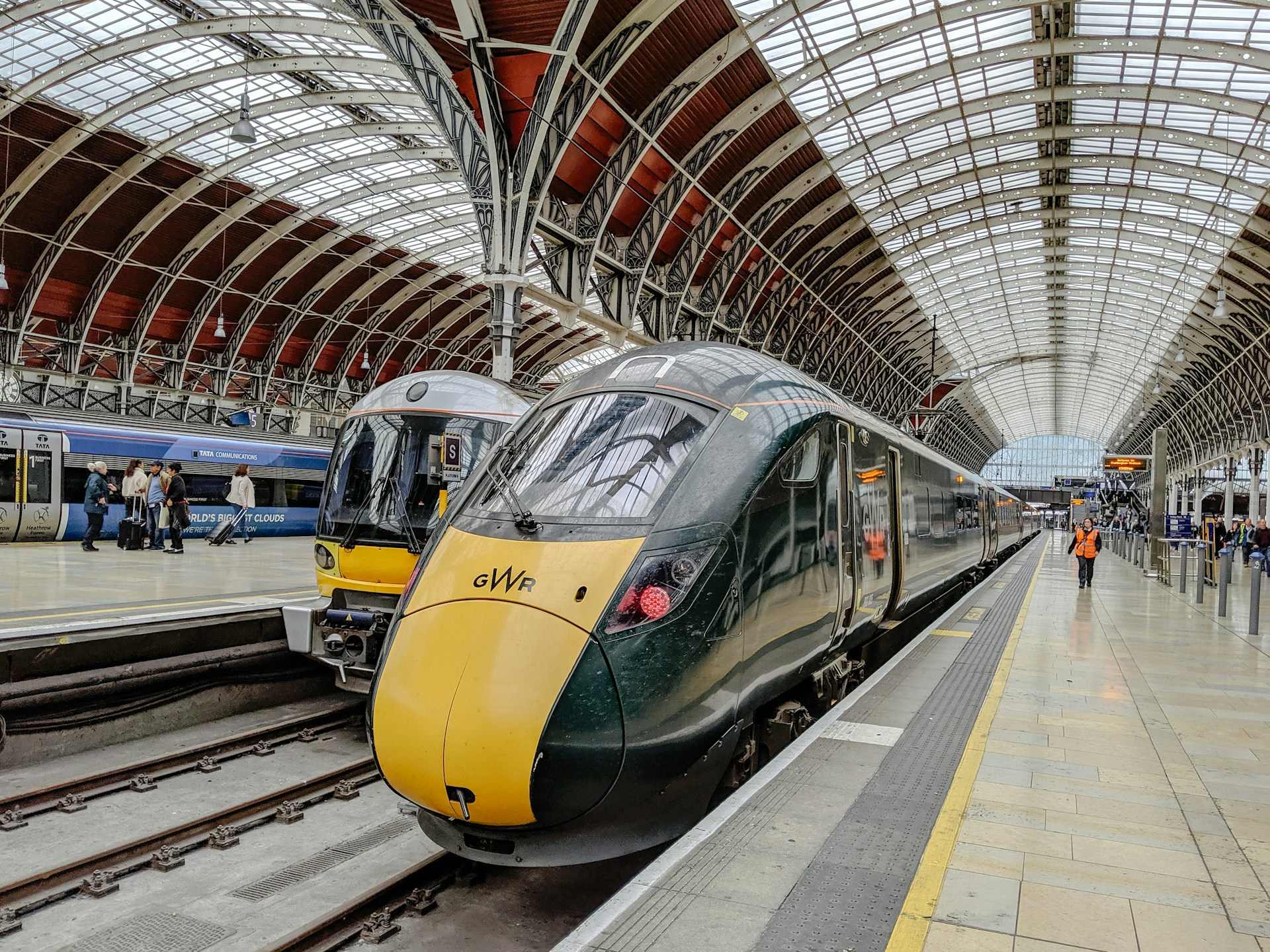
Aluminium solutions for the transport industry
The transport sector demands components that are lightweight, strong, and built to last. We have a proven track record of supplying precision aluminium extrusions and fabricated components to the transport industry, including lighting systems for Hitachi train carriages.
Aluminium is the material of choice for the transport industry. Its exceptional strength to-weight ratio reduces vehicle weight, improves fuel efficiency, and lowers emissions, without compromising structural integrity. Its natural corrosion resistance makes it ideal for components exposed to the elements, and its design flexibility allows complex profiles to be produced to tight tolerances.
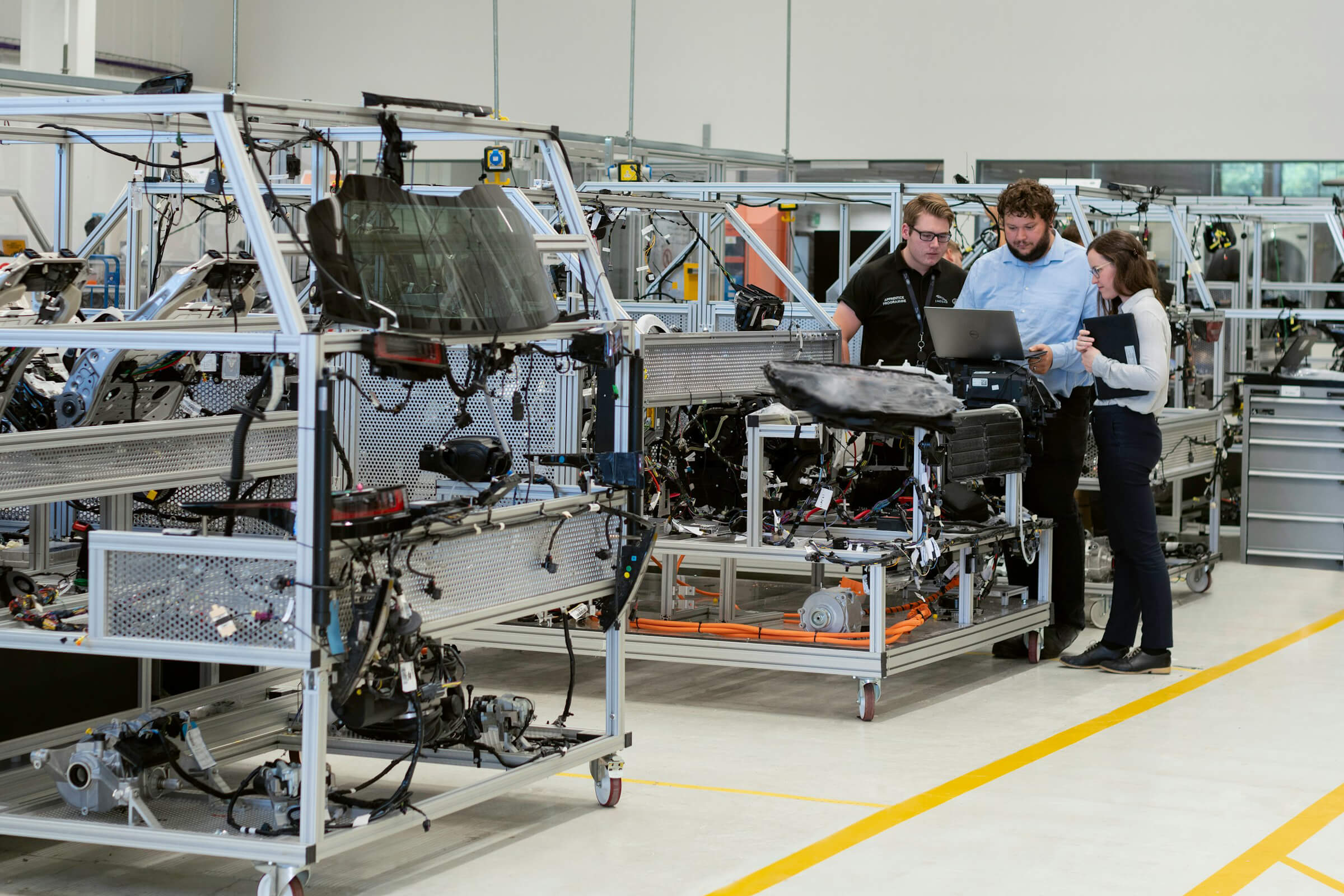
Aluminium solutions for the engineering industry
Engineering applications demand accuracy, consistency, and reliability. We work with engineers and manufacturers across a wide range of disciplines to supply precision aluminium extrusions and machined components that meet the most exacting specifications.
From structural profiles and machine frames to precision-machined components and bespoke assemblies, aluminium is a fundamental material in modern engineering. Its combination of strength, light weight, machinability, and corrosion resistance makes it the preferred choice for a vast range of applications.
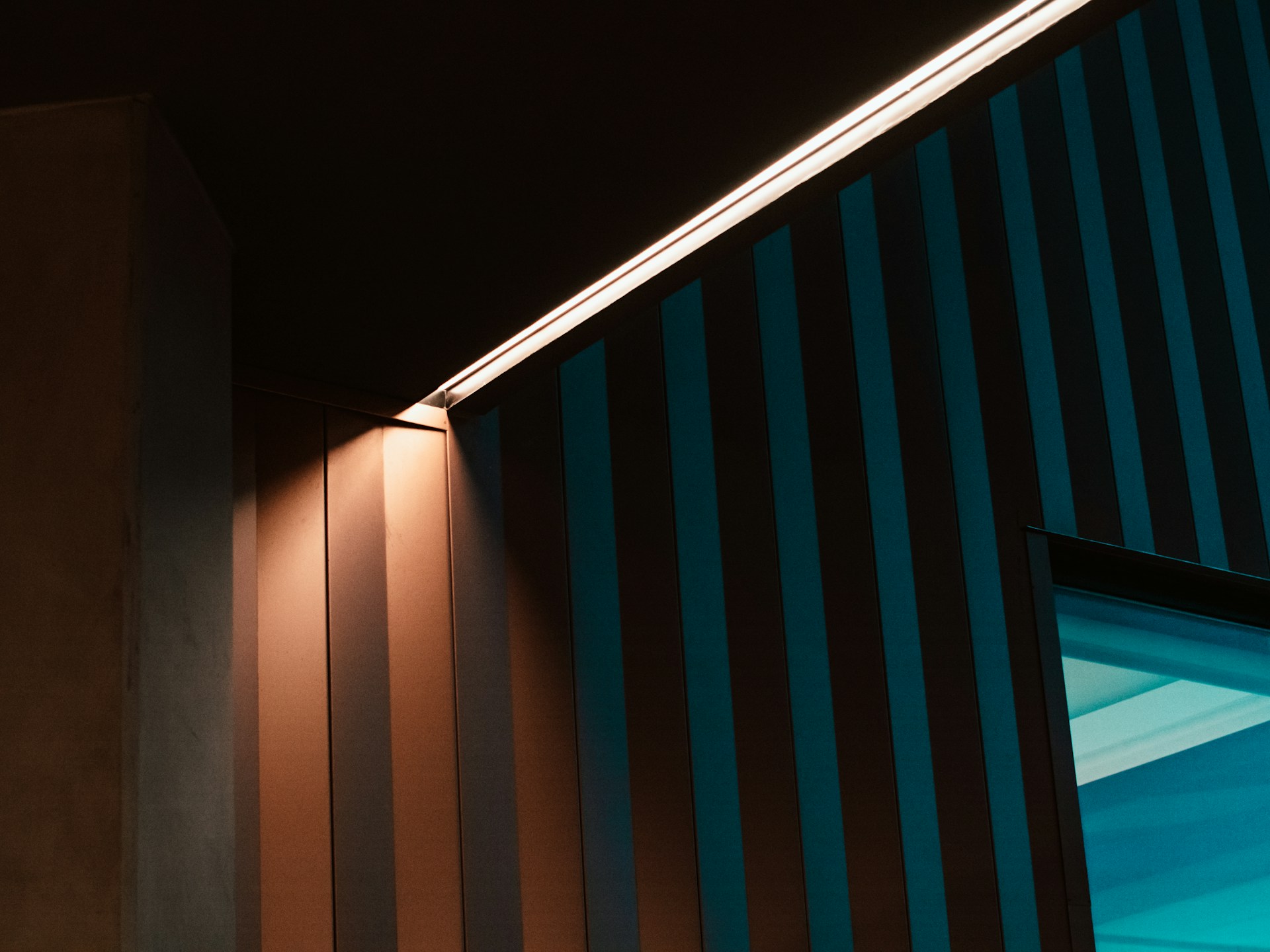
Aluminium solutions for the electronics & lighting industry
Aluminium’s thermal conductivity and design flexibility make it the ideal material for electronics enclosures, LED lighting profiles, and heatsink applications. We supply precision extrusions and machined components to manufacturers across
the electronics and lighting sectors.
The electronics and lighting industries place particularly high demands on their aluminium components. Heatsinks must be designed to maximise thermal dissipation. LED lighting profiles must be precise enough to hold optical components in exact alignment. Enclosures must be both functional and aesthetically refined.
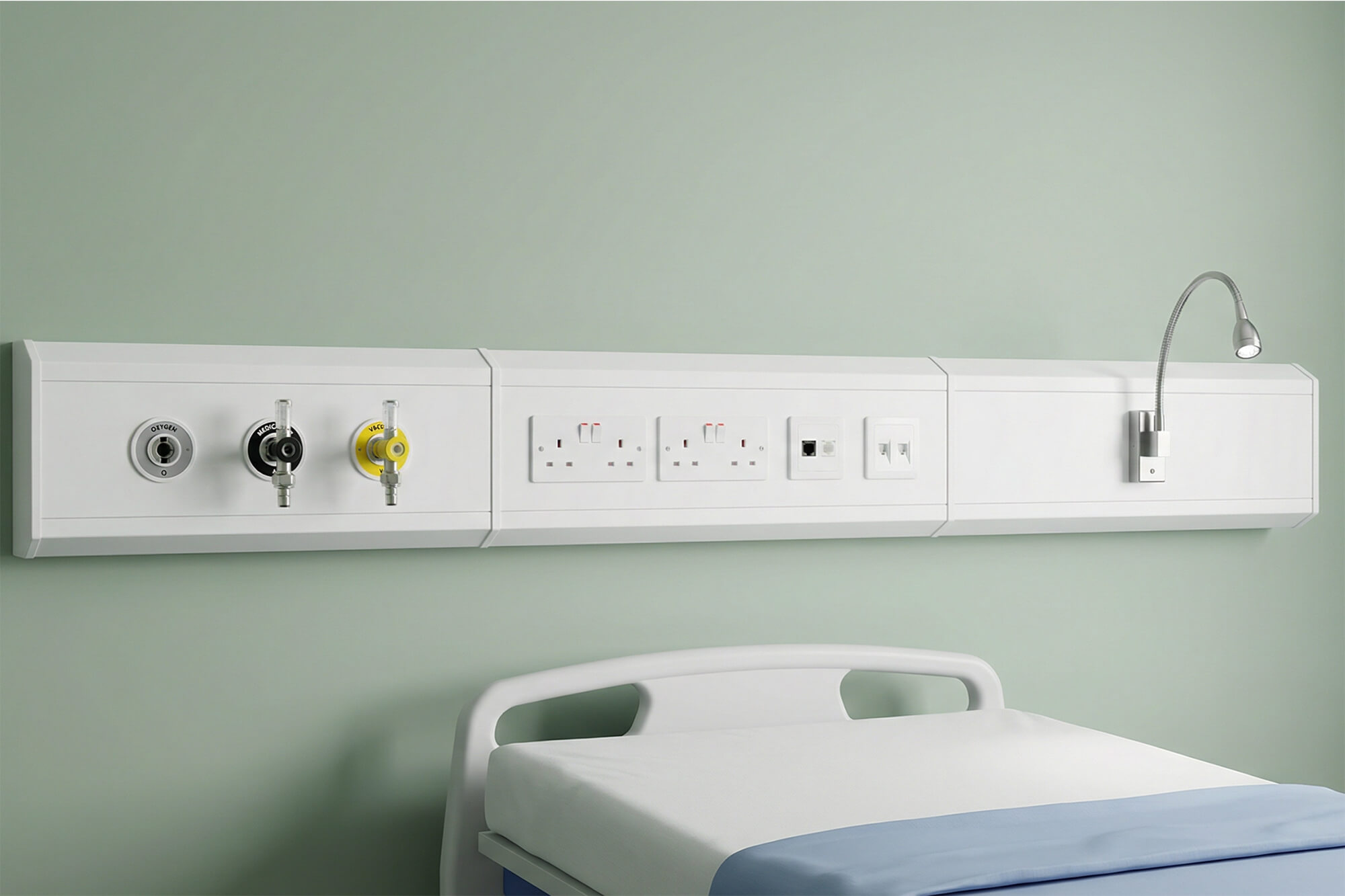
Aluminium solutions for the health & medical industry
The medical sector demands the highest standards of quality, traceability, and reliability. We supply precision aluminium extrusions and machined components to medical device manufacturers and healthcare equipment suppliers, backed by our ISO9001:2015 certified quality management system.
Medical and healthcare applications require components that are clean, precise, and produced to a documented, traceable quality standard. Aluminium is widely used in medical equipment for its combination of light weight, strength, corrosion resistance, and ease of sterilisation.
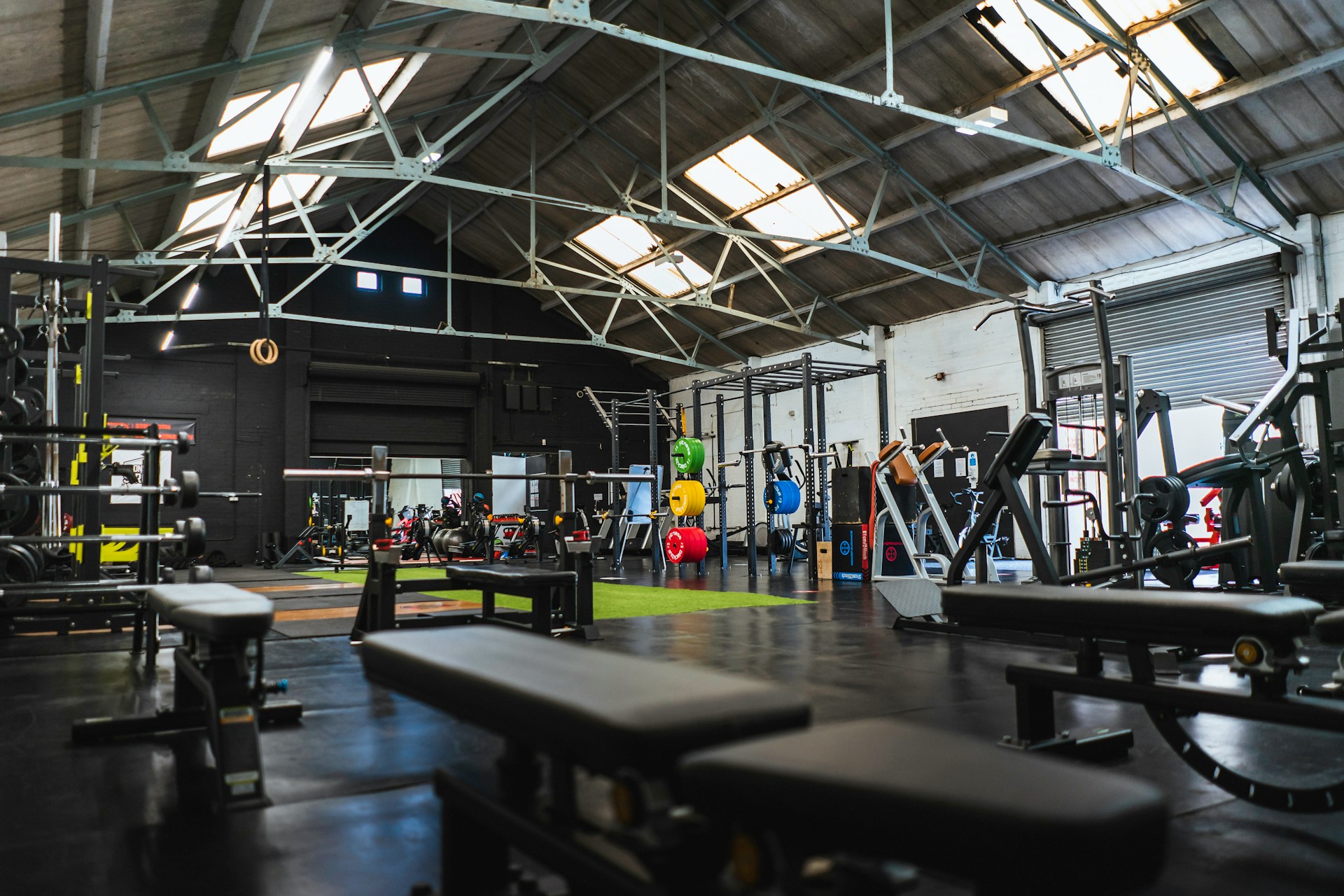
Aluminium solutions for the leisure industry
From sports equipment and outdoor furniture to architectural features in leisure facilities, aluminium’s combination of light weight, strength, and weather resistance makes it the material of choice for leisure applications.
The leisure industry encompasses a wide range of applications, from the structural frames of gym equipment and playground installations to the decorative trims of hospitality interiors. What they all have in common is a need for components that look good, perform reliably, and stand up to sustained use.
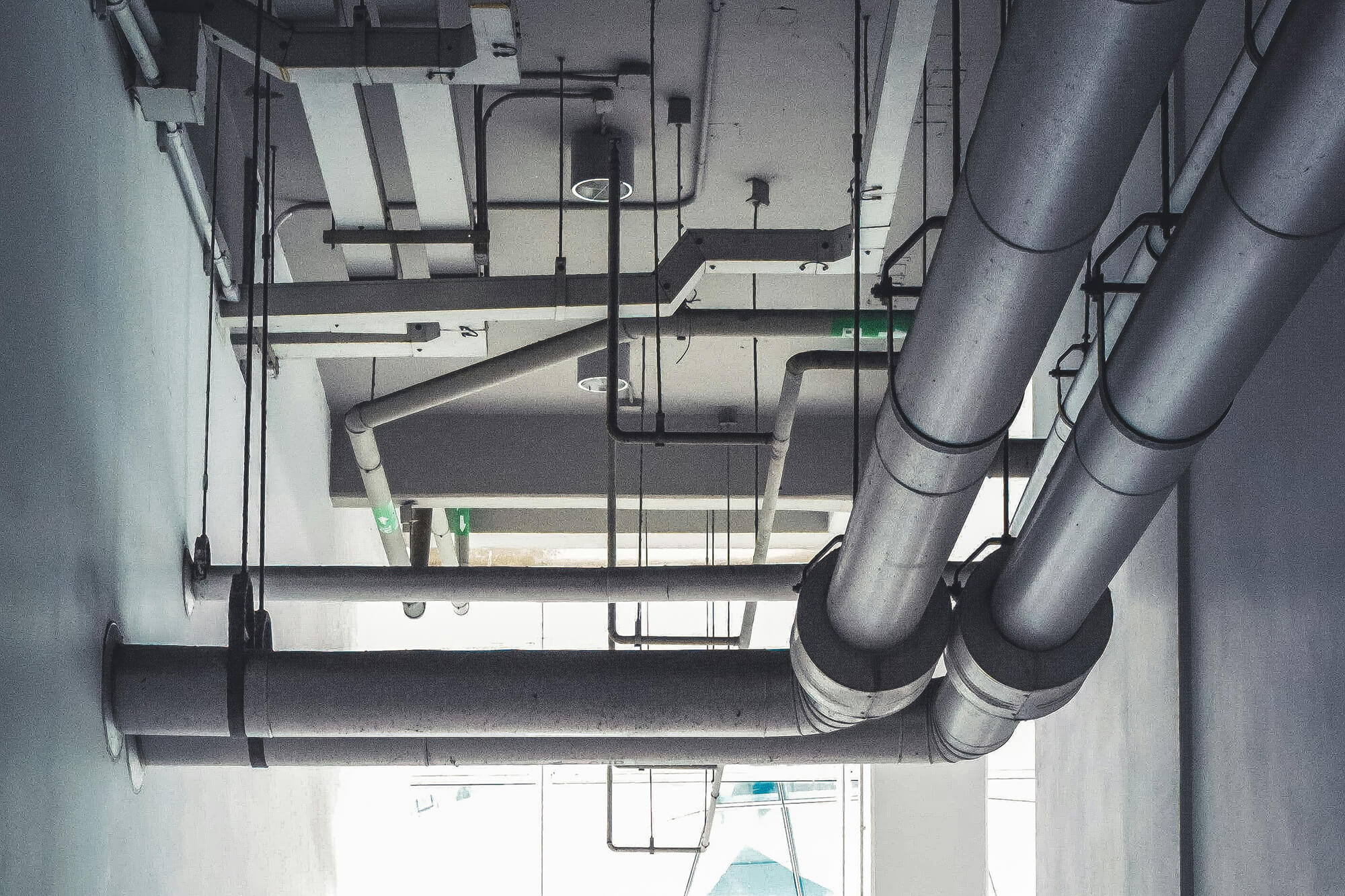
Aluminium solutions for the Heating & Ventilation industry
Aluminium’s thermal conductivity, corrosion resistance, and design flexibility make it an ideal material for heating and ventilation applications. We supply precision extrusions and fabricated components to manufacturers across the HVAC sector.
Heating and ventilation systems rely on aluminium for its ability to conduct and dissipate heat efficiently, its resistance to the corrosive effects of moisture and condensation, and its light weight, which simplifies installation and reduces structural loading.
Aluminium solutions for the transport industry
The transport sector demands components that are lightweight, strong, and built to last. We have a proven track record of supplying precision aluminium extrusions and fabricated components to the transport industry, including lighting systems for Hitachi train carriages.
Aluminium is the material of choice for the transport industry. Its exceptional strength to-weight ratio reduces vehicle weight, improves fuel efficiency, and lowers emissions, without compromising structural integrity. Its natural corrosion resistance makes it ideal for components exposed to the elements, and its design flexibility allows complex profiles to be produced to tight tolerances.
Aluminium solutions for the engineering industry
Engineering applications demand accuracy, consistency, and reliability. We work with engineers and manufacturers across a wide range of disciplines to supply precision aluminium extrusions and machined components that meet the most exacting specifications.
From structural profiles and machine frames to precision-machined components and bespoke assemblies, aluminium is a fundamental material in modern engineering. Its combination of strength, light weight, machinability, and corrosion resistance makes it the preferred choice for a vast range of applications.
Aluminium solutions for the electronics & lighting industry
Aluminium’s thermal conductivity and design flexibility make it the ideal material for electronics enclosures, LED lighting profiles, and heatsink applications. We supply precision extrusions and machined components to manufacturers across
the electronics and lighting sectors.
The electronics and lighting industries place particularly high demands on their aluminium components. Heatsinks must be designed to maximise thermal dissipation. LED lighting profiles must be precise enough to hold optical components in exact alignment. Enclosures must be both functional and aesthetically refined.
Aluminium solutions for the health & medical industry
The medical sector demands the highest standards of quality, traceability, and reliability. We supply precision aluminium extrusions and machined components to medical device manufacturers and healthcare equipment suppliers, backed by our ISO9001:2015 certified quality management system.
Medical and healthcare applications require components that are clean, precise, and produced to a documented, traceable quality standard. Aluminium is widely used in medical equipment for its combination of light weight, strength, corrosion resistance, and ease of sterilisation.
Aluminium solutions for the leisure industry
From sports equipment and outdoor furniture to architectural features in leisure facilities, aluminium’s combination of light weight, strength, and weather resistance makes it the material of choice for leisure applications.
The leisure industry encompasses a wide range of applications, from the structural frames of gym equipment and playground installations to the decorative trims of hospitality interiors. What they all have in common is a need for components that look good, perform reliably, and stand up to sustained use.
Aluminium solutions for the Heating & Ventilation industry
Aluminium’s thermal conductivity, corrosion resistance, and design flexibility make it an ideal material for heating and ventilation applications. We supply precision extrusions and fabricated components to manufacturers across the HVAC sector.
Heating and ventilation systems rely on aluminium for its ability to conduct and dissipate heat efficiently, its resistance to the corrosive effects of moisture and condensation, and its light weight, which simplifies installation and reduces structural loading.
Frequently Asked Questions About Aluminium Anodising
Some of the questions we are most commonly asked about aluminium anodising. If you cannot find the answer you are looking for, our team is always happy to help.
-
What is the difference between anodising and powder coating?
Anodising is an electrochemical process that integrates the finish with the aluminium, making it extremely durable but with a more limited colour range. Powder coating is a paint layer applied to the surface, offering a virtually unlimited colour palette but sitting on top of the metal rather than being part of it.
-
Can I have my profile anodised in white?
No. White is not achievable with anodising, as white is not a colour that can be introduced into the anodic layer. For white components, powder coating is the correct process.
-
What colours are available?
Natural Silver and Black are the most common and cost-effective options. Other colours, including bronze, gold, and champagne, are available. For a wider colour range, powder coating is recommended.
-
How durable is anodising?
Anodising is extremely durable. The anodic layer is harder than the aluminium beneath it and is resistant to corrosion, abrasion, and UV degradation, making it suitable for both interior and exterior applications.
Over 40 years of experience
Decades of hands-on expertise in aluminium extrusion, fabrication, and finishing.
ISO 9001:2015 certified
Our quality management system ensures consistent, reliable results on every project.